

Loading...
RUS
Out of stock
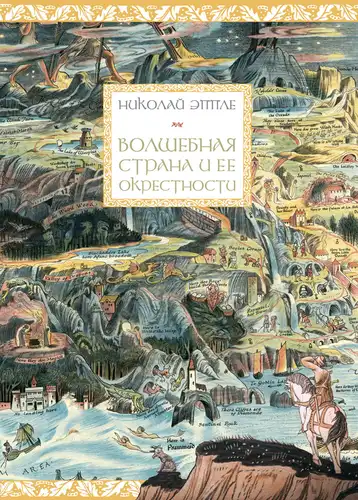
Uncomfortable Past. Memory of State Crimes in Russia and Other Countries
Неудобное прошлое. Память о государственных преступлениях в России и других странах
Crimes of the Soviet era in Russia have yet to receive a significant legal and ethical evaluation that resonates with society as a whole. The absence of such an assessment of Stalinist state terror and the Soviet totalitarian past hinders modern Russia from parting with this legacy. Until all citizens take responsibility for the past, it will remain unresolved and obstruct the development of a modern democracy.
In recent decades, many countries have transitioned from dictatorship to democracy, developing a rich experience in addressing the traumatic past of the 20th century, which is largely unknown in Russia. For the first time in Russian, this book describes key models of dealing with state crimes and addressing a difficult past practiced in other countries and proposes strategies for adapting these models to the conditions of modern Russia.
The book was awarded the "Enlightener" prize in the "Humanities" category (2021) and the VI Publicistic Prize "LibMission" in the "Analytics" category (2021).
"A traditional (and sly) rhetorical objection to almost any criticism of Russian reality sounds something like this: well, everything is bad, but what do you propose? Nikolay Epple's book is a fortunate exception to this rule. Calmly and convincingly debunking the myth of the uniqueness of the Russian situation with historical memory, analyzing how other countries have dealt with their complex pasts, Epple offers a concrete program for public processing of the traumas associated with Soviet political repressions — perhaps debatable and not necessarily feasible, but at the very least a very substantive, clear, and necessary conversation."
Alexander Gorbachev, journalist
"A book that was awaited" is a common advertising cliché. This book was awaited by those who knew about the author's many years of work, best described by the now rarely used term "devotion," but it will also benefit those who are unaware of its existence (yes, that happens). This is a conscientious, deeply scientific narrative told with an astonishing tone of goodwill about topics that are usually too frightening to even think about.
The consistent presentation and intellectual clarity possess a disenchanting power: the book gently opens the eyes of the reader who has closed them in horror, not "normalizing" the unimaginable but dispelling the fear that debilitates and deranges. Our situation is not hopeless, our case not unique. Rarely does a nation not find itself at some point in its history facing a half-overgrown pit with bones, while the descendants of executioners and victims have already married each other and are raising common children. The grandson of the execution squad commander runs a humanitarian publication, and the excavation of graves seems like a betrayal of a shared past.
Should we stir it up? Does it mean we are all bad? Is there nothing to be proud of? Can anything be corrected? What if everyone starts seeking revenge on each other? The book provides answers to these questions, offering practical recipes and methods for restoring broken historical memory and national identity not based on lies and silence.
Along the way, it debunks a number of harmful myths in this area: about the longing for a Heavenly Nuremberg (the German case is unique and not understood in its uniqueness by us — this is also discussed in the book), about the necessity of total repentance, about the idea that publishing the truth about the executors of repressions will cause a wave of revenge, about the "four million denunciations," and about the notion that recognizing historical responsibility destroys national pride and international prestige.
The book is imbued with love for Russia and its people, both past and present. Without love, such work is impossible, and the intention for the public good that permeates the text captures the reader's attention. This book is a map and compass handed to the reader, and the author rightly understands the historical moment — very soon all this will be needed not as a subject of study, but as a tool of practical politics."
Ekaterina Schulmann, political scientist*
* Included in the Russian Ministry of Justice's register of foreign agents.
Publisher:
Новое литературное обозрение
Year: 2021