


Loading...
RUS
€ 14.00
Post-Europe
Пост-Европа
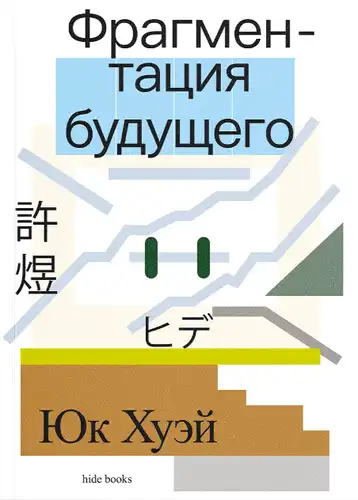
Drawing on the concept of "post-Europe" proposed by the Czech phenomenologist Jan Patočka—who first suggested that Europe ceased to be a central, formative force after World War II—Hong Kong philosopher Yuk Hui addresses the issue of "overcoming modernity," a theme around which the Kyoto School formed in Japan a century ago. Thinkers such as Nishida Kitarō, Nishitani Keiji, and the New Confucian Mou Zongsan did not reject Western philosophy; rather, they sought new avenues of thought amidst the crisis engulfing Europe. Moving beyond the dream of an impossible resolution to the Heideggerian *Heimatlosigkeit* (homelessness), "Post-Europe" outlines a mode of thinking that, having recognized its own "rootlessness," strives to attain a new form—not by neutralizing differences, but through an individuation aimed at overcoming the oppositions between *logos* and *technē*, East and West, and home and homelessness.
More by this author

Similar books

RUS
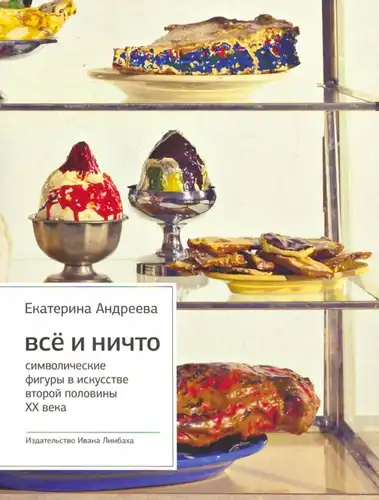
Everything and Nothing: Symbolic Figures in Art of the Second Half of the 20th Century
Всё и Ничто: Символические фигуры в искусстве второй половины XX века
€ 22.00
RUS
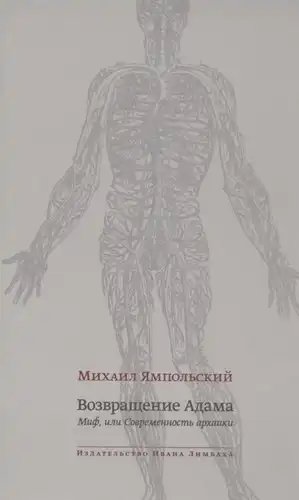
The Return of Adam. Myth or Modernity of the Archaic
Возвращение Адама. Миф, или Современность архаики
€ 15.00

RUS
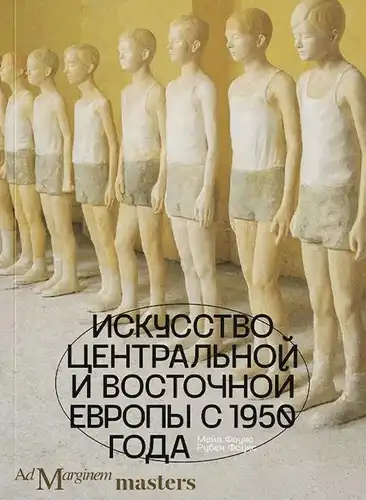
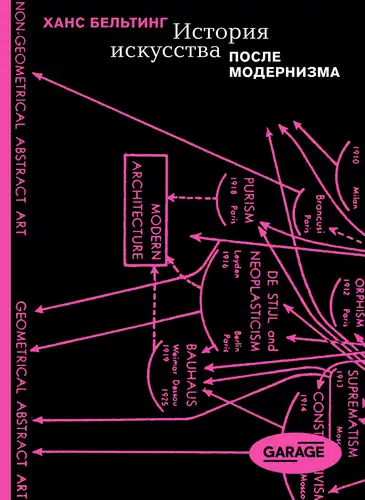
Art of Central and Eastern Europe since 1950
Искусство Центральной и Восточной Европы с 1950 года
€ 19.00
UKR
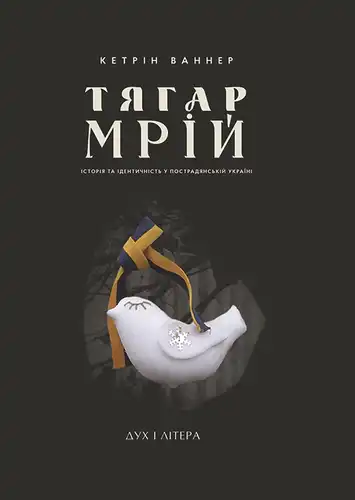
The Burden of Dreams: History and Identity in Post-Soviet Ukraine
Тягар мрій: Історія та ідентичність у пострадянській Україні
€ 16.00
RUS
€ 13.00