


Loading...
RUS
€ 10.00
Averroes the Eerie
Аверроэс Жуткий
Abu al-Walid Muhammad ibn Ahmad ibn Rushd (1126–1198)—a prominent figure of the Golden Age of Islamic civilization, better known by his Latinized name, Averroes—introduced the West to the late-antique reception of Aristotle’s ideas through his extensive commentaries on the philosopher’s works. Serving as a bridge between classical antiquity and Christian philosophy, Averroes simultaneously became a figure of dread for the Scholastics; his interpretation of the Aristotelian concept of a separate intellect struck Albert the Great, Thomas Aquinas, and their followers as far too radical. The French philosopher Jean-Baptiste Brenet (b. 1972) seeks to uncover the reasons why Averroes inspired such terror in his Western readers. He emerges as one of the earliest critics of Christian metaphysics—undermining its foundations centuries before it came under fire from Nietzschean thought and psychoanalysis. Drawing on Freud, Brenet identifies Averroism as a repressed "primordial homeland" of Western thought—an "internal foreignness" that returns in an uncanny guise, or as a mirror reflecting the West’s own hidden underside.
Similar books



RUS

The Return of Adam. Myth or Modernity of the Archaic
Возвращение Адама. Миф, или Современность архаики
€ 15.00


RUS
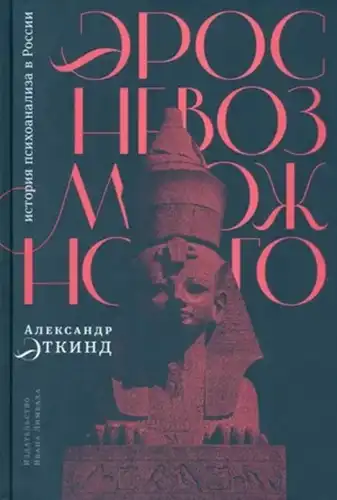
The Eros of the Impossible: The History of Psychoanalysis in Russia
Эрос невозможного: история психоанализа в России
€ 18.00
RUS

€ 24.00