


Loading...
RUS
€ 9.00
Bloom's Theory
Теория Блума
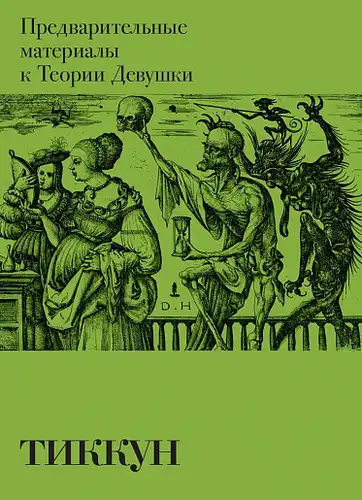
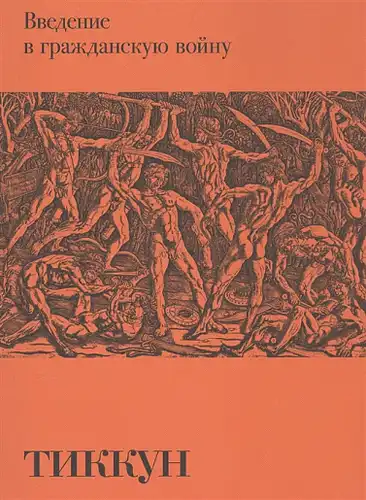
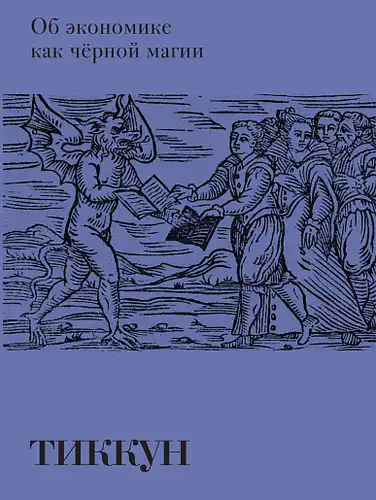
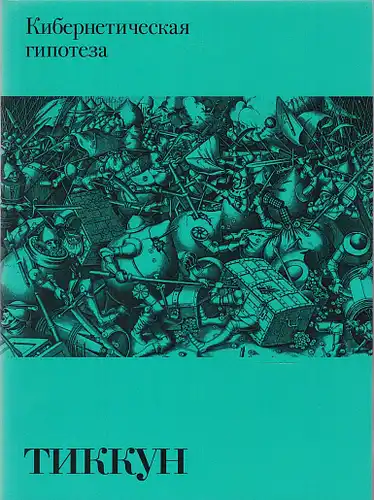
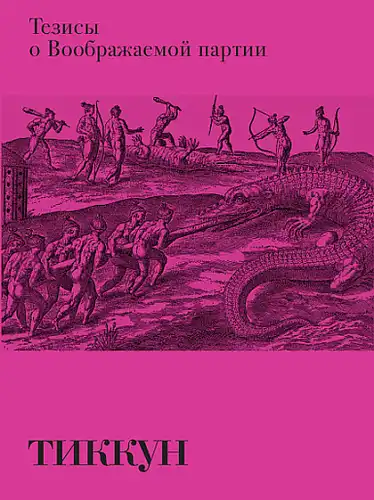
Tiqqun was a group of philosophers that emerged in Paris in 1998. It drew inspiration from the Situationist International, Dada, and Surrealism, as well as the Frankfurt School, the young Lukács, Hannah Arendt, Gershom Scholem's work on Jewish mysticism, and, of course, Walter Benjamin. Regarding contemporary philosophy, it's worth noting the strong influence of Giorgio Agamben, with whom Tiqqun established direct contact, as well as a fascination with Gilbert Simondon, Gilles Deleuze, and, although not universally shared, an interest in Michel Foucault. Trendy ideologues like Alain Badiou or Slavoj Žižek were ignored, or, more accurately, despised. Quite soon the question arose about publishing a magazine called “Tiqqun,” which was a reference to the tradition of Jewish mysticism, in which the concept of “tikkun olam” meant the correction of a corrupted, devastated, and out-of-harmony world.
Publisher:
Гилея
More by this author
Similar books
RUS
Time of the Magicians: The Great Decade of Philosophy, 1919–1929
Время магов. Великое десятилетие философии. 1919–1929
€ 17.00
RUS
Thinking Like Tolstoy and Wittgenstein: Art, Emotion and Expression
Мыслить как Толстой и Витгенштейн: искусство, эмоции и выражение
€ 14.00


RUS

Дух современности. Последние годы философии и начало нового Просвещения. 1948–1984
€ 19.00
RUS

Years of Theory: French Thought from the Post-War Period to the Present Day
Годы теории. Французская мысль от послевоенного времени до наших дней
€ 23.00